 Tailor AI
How we build Tailor
Technical deep dives from the engineering team. How we ship, scale, and solve hard problems.
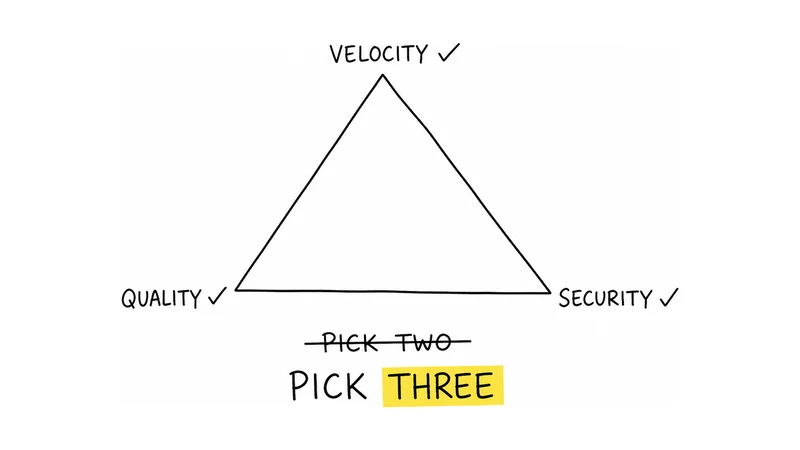
Velocity, Quality, Security: Pick Three
Coding agents can work in parallel. We built /push so review, testing, security, and shipping can keep up without lowering the quality bar.
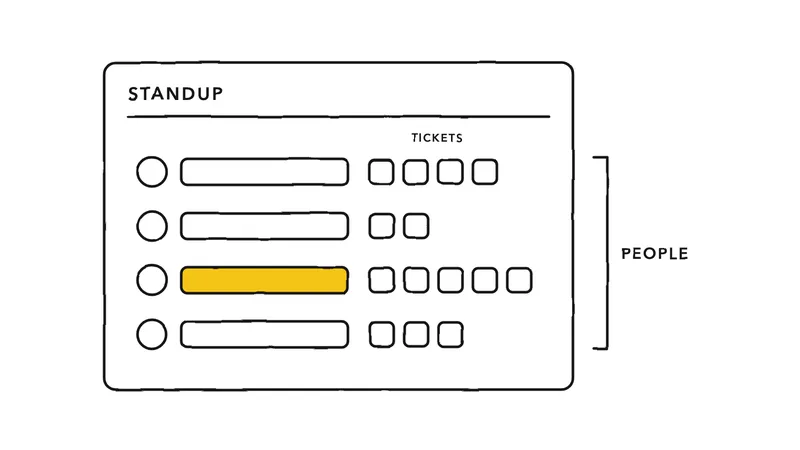
Running Many Agents Is a Management Problem
You don't supervise a fleet of agents with a dashboard. You supervise it the way you'd supervise people.
I've been running Codex and Claude Code side by side all day. Each has one major problem.
I've been running out of Claude Code tokens on the $200 plan, so I decided to dive into Codex for active development. I've been running 5+ parallel coding tasks pretty much all day.
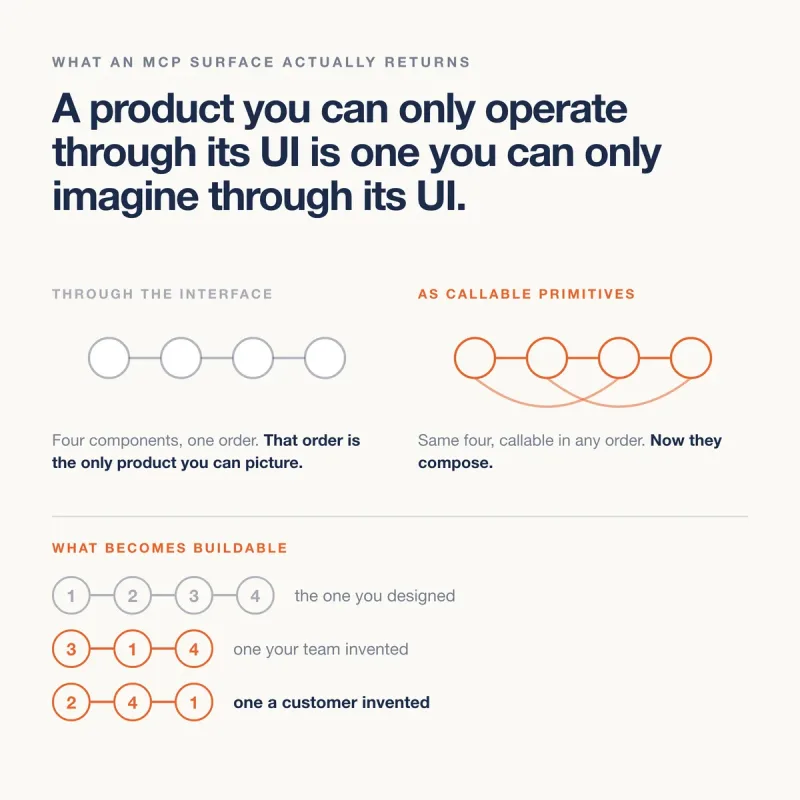
I thought I was working on the cutting edge. Not until our product was drivable by an agent.
I thought I was working on the cutting edge. I wasn't. Not until our product was drivable by an agent. We built an MCP server. Looked like an integration task.
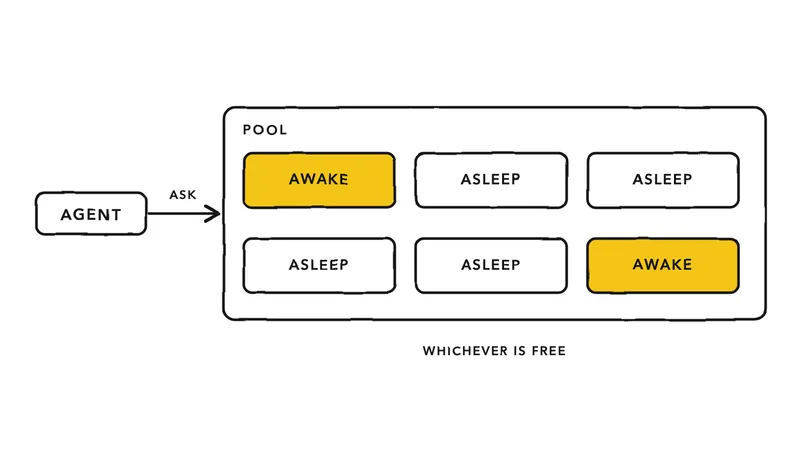
Isolated Environments Should Be Borrowed, Never Owned
Our laptops hold far more agents than they can actually run. Getting there took two changes, and neither was a bigger machine.
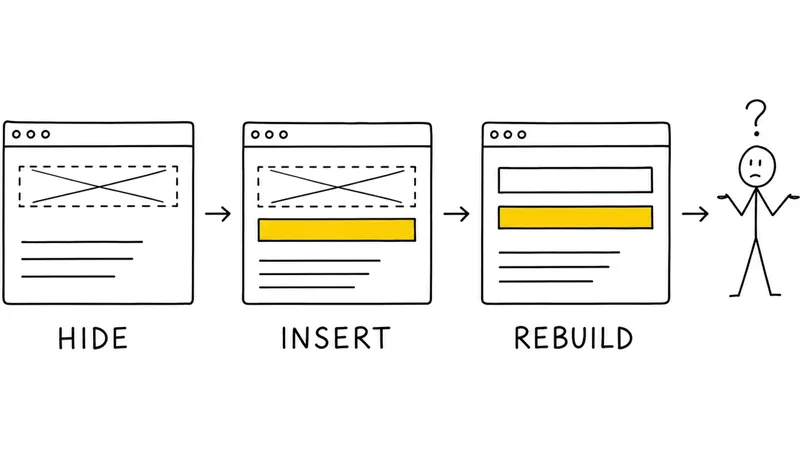
Changing a Page You Don't Control
Tailor edits pages at serve time, in the visitor's browser, on sites we didn't build. Making the change is easy. Making it survive a framework that doesn't know you exist is the work.
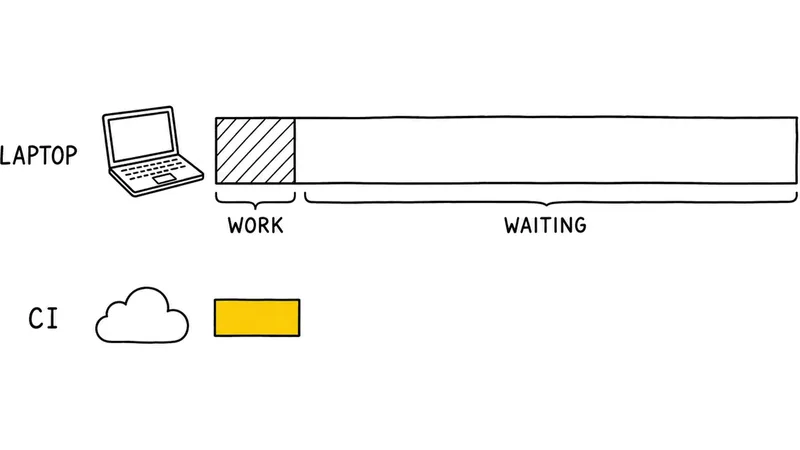
Your Laptop Is Not a CI Server
Our push command took 14 minutes, and only half of that was work. Fixing it meant moving verification to CI, and then fighting CI for a week over races, caches, and a green PR nobody could merge.
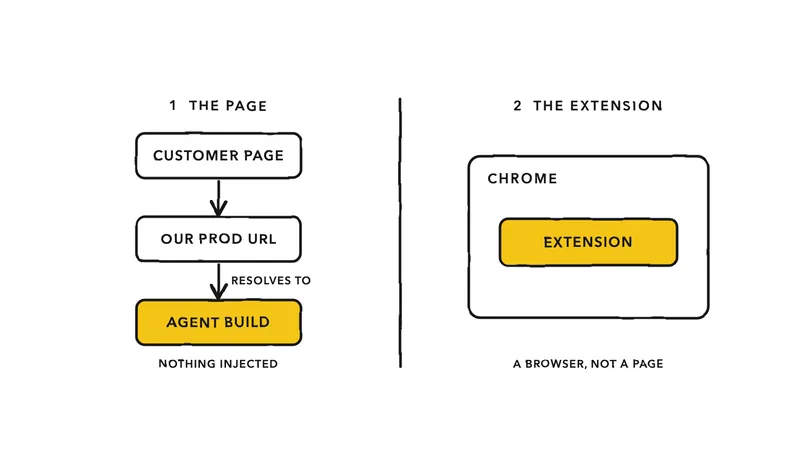
Two Places a Normal Test Setup Can't Reach
An agent can see a customer's page perfectly well. The hard part is getting its own build in front of that page, and mounting our extension in a real browser.
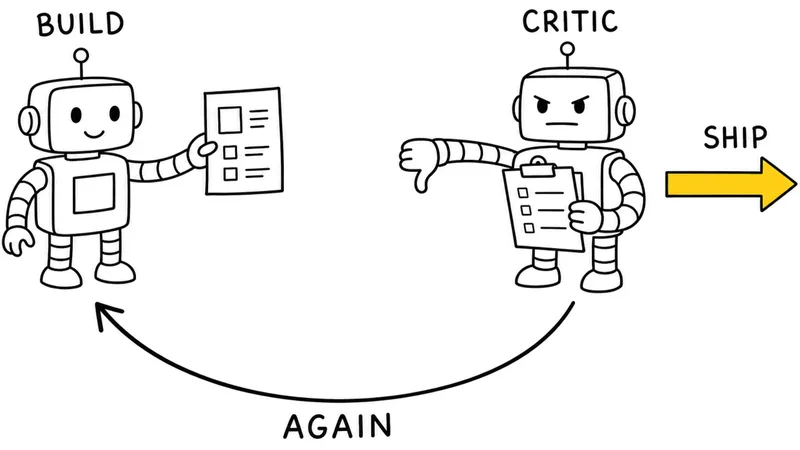
Loop Until a Critic Says It's Good
The most useful prompt pattern we found this month is a loop with a harsh critic in it, and the critic has to be a different agent than the one that did the work.
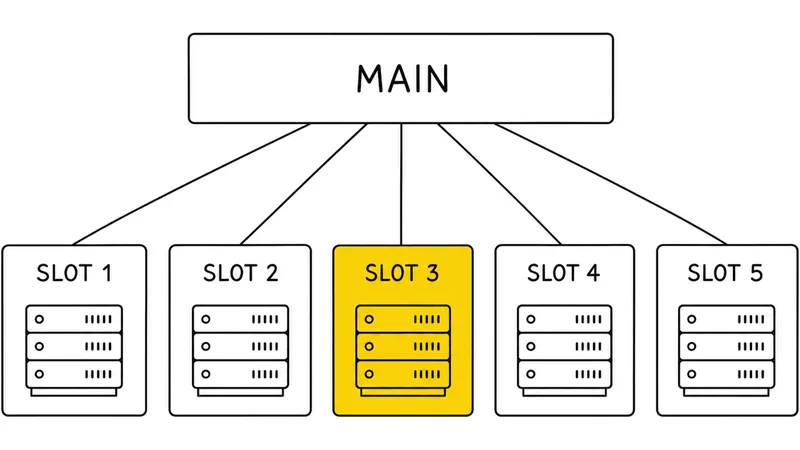
Five Standing Dev Environments
Once you work on more than one branch a day, the bottleneck stops being code and becomes the environment. Five permanent worktree slots, each with its own ports, subdomain, test org, and JWT.
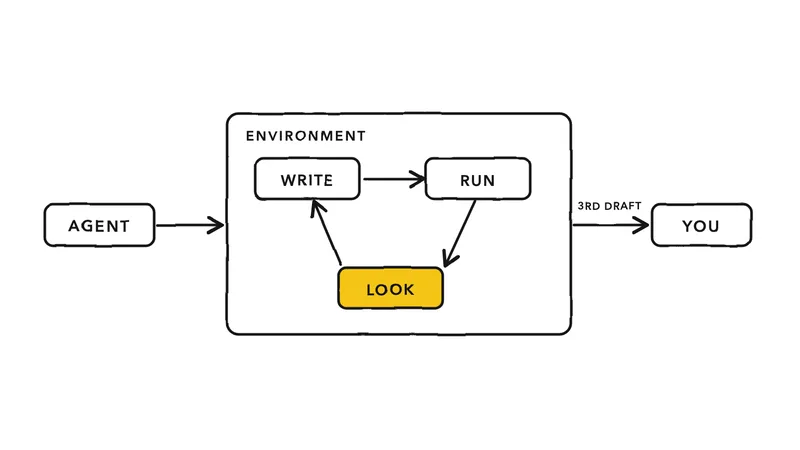
An Agent Without an Isolated Environment Hands You a Guess
An agent that can run what it just wrote catches its own mistakes. One that can't sends them to you.
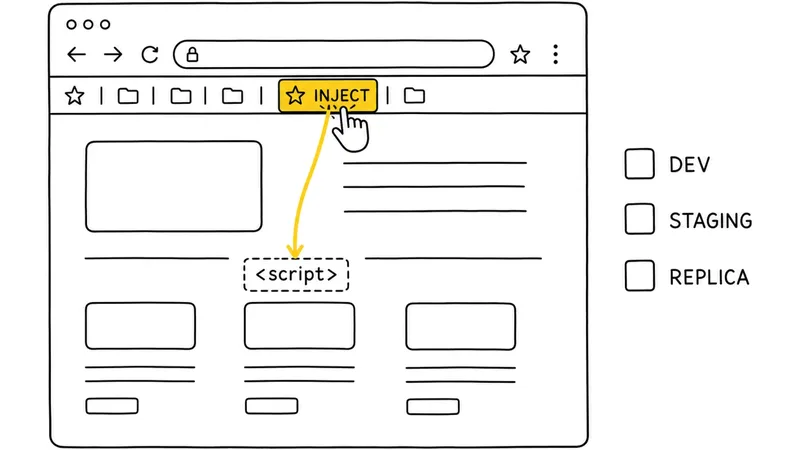
Testing Serving on Sites We Don't Own
Our script runs on customer pages, so the honest test of a change is whether it works on a real page. You can't edit their HTML, so we built a bookmarklet that injects any build onto any page.
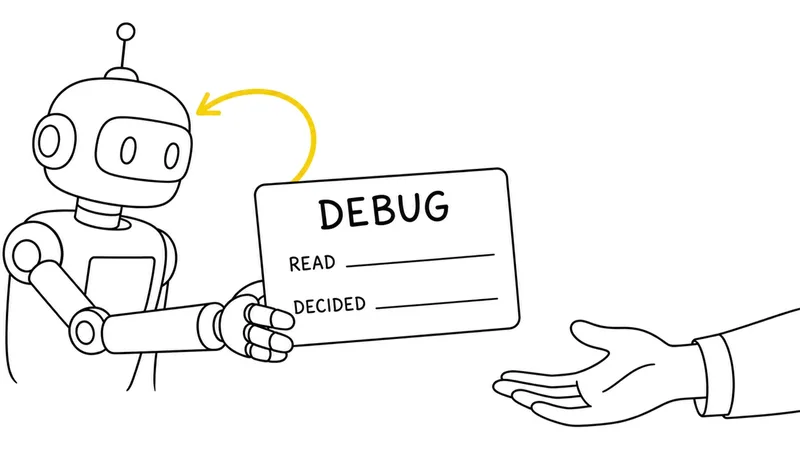
Make the Agent Show Its Work
The fastest way to improve an agentic feature is to make its reasoning easy to copy: one blob you can paste back into the model that produced it.
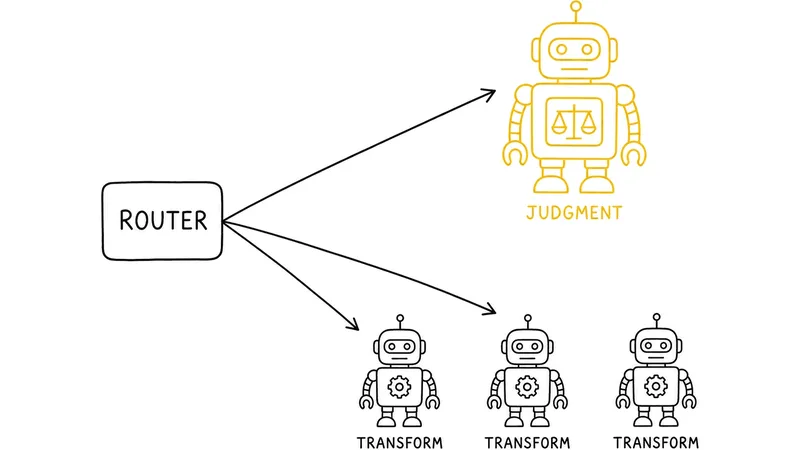
Not Every Subagent Needs Your Best Model
Leaving everything on the most capable model runs you out mid-week on work that never needed it. Route per subagent, not per session.
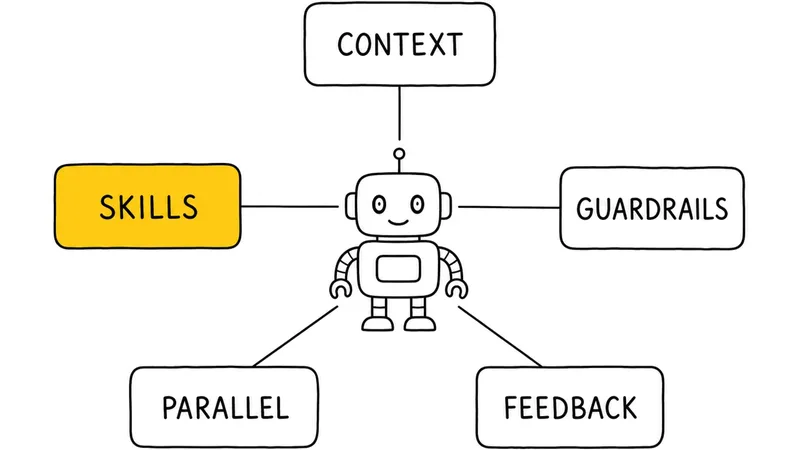
The ROI of AI Coding Tools Is Harness Engineering
We went from 'helpful autocomplete' to an AI development partner that ships code, runs tests, and operates inside our real workflows. Here's how we built the harness around Claude Code.