
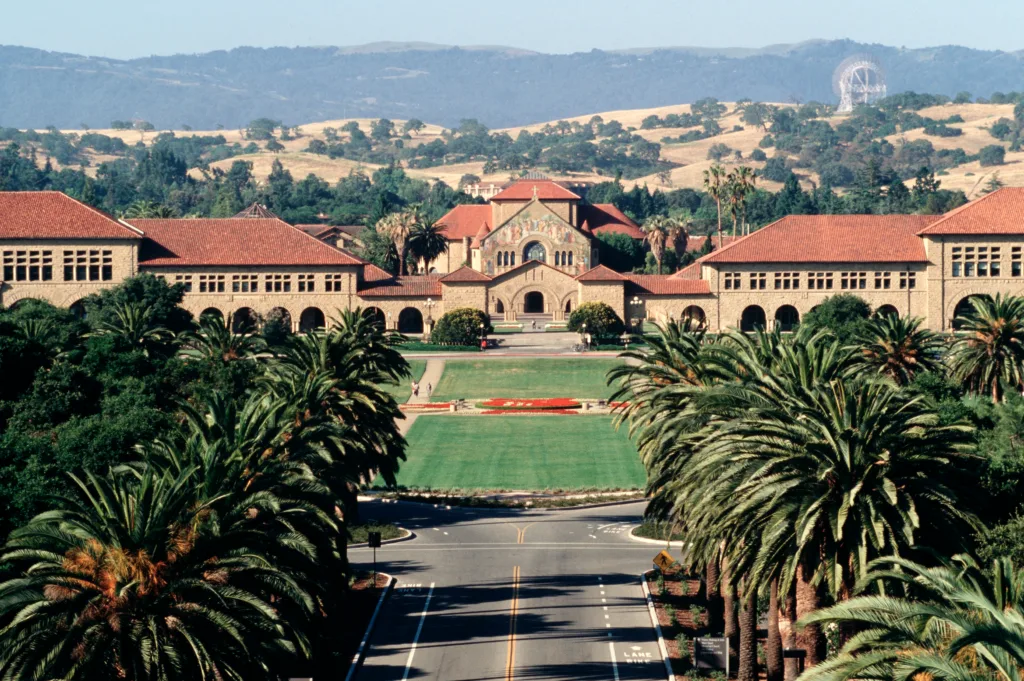
996 culture isn't some new Silicon Valley trend. It's been around forever. I first lived it at Stanford, and it almost broke me. It was the first time I can remember anxiety impacting me physically.
In 2007, I bombed my first midterms. Not because classmates were smarter, but because they were outworking me.
That test I studied 2 hours for? Others put in 30. That problem set my group split up? Others spent 15 hours grinding through every problem themselves, then re-solving to make sure they really understood it.
So I dropped a class and worked harder. 20 hours/week → 50–60. Nights. Weekends. My grades recovered. More importantly, I built the muscle of hard work. Looking back this period felt like boot camp.
From Stanford to Startup Success
That same theme showed up again at my first startup. We didn't call it 996, but we lived it: 10am–midnight (including breaks for meals & the gym). It was intense, and it worked. That stretch of hard work compounded into everything I've done since.
The Evolution: Hard Work Meets Experience
Now, 15 years later at Tailor AI, it looks different. Same muscle, applied with more efficiency. We're parents. Family comes first. We ship daily and learn constantly, this time leveraging years of pre-compounded experience and dialing in a rhythm that's sustainable for us and our customers.
The Right Fit Question
Whether 996 is the "right" fit depends on your life stage, your team, and the problems you're tackling. There's no single answer.
But one constant remains: hard work is a prerequisite. Smart work is the unlock.
You need both: the muscle to outwork, and the judgment to outlearn.
The Key Insight
996 isn't new. The key is knowing when to lean on raw effort, when to lean on experience, and how to design a rhythm you can sustain.
The muscle of hard work built at Stanford still pays dividends. But now it's paired with the wisdom to work smarter, not just harder, the same principle behind how we help marketers move faster at Tailor AI.
Written by

Greg Bayer
CEO & Co-founder